Sampling can hide the thing being studied
If a reference changes several times between samples, the contact sheet gives an inaccurate impression of its pacing. The correction was to inspect at the temporal resolution of the edit.
 ETHAN+LABFollow along
 Creative / Creative prepared
How a slow first interpretation became a controlled, frame-based creative workflow.
RECORD THROUGH SEPTEMBER 7, 2026
The initial video interpretation was too slow. Looking at widely spaced stills had hidden most of the cuts. Subsequent research inspected the source at individual-frame resolution and separated product placement, changing backgrounds, and audio timing.
A coarse inspection missed the rhythm of the reference. Frame-level study exposed the fixed product placement and hard-cut structure. The revised work used deterministic composition and frame-based timing.
Study where the product stays fixed, when the full composition changes, and how light and dark works alternate. Public ad visibility can reveal a format; it cannot establish competitor conversion rates.
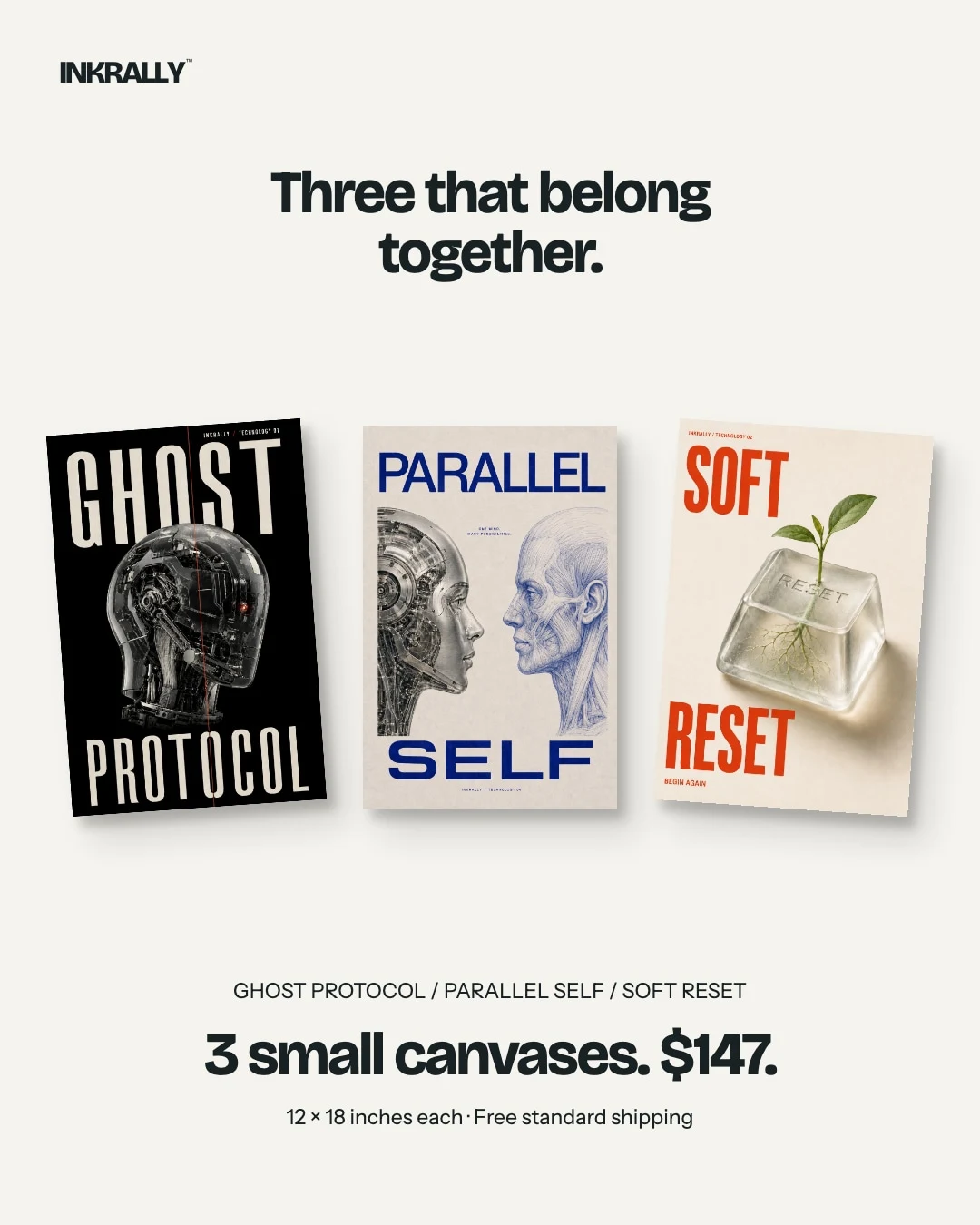
The revised creative uses the signed artwork as source material. A code-rendered stage fixes product geometry while an art-derived background changes with the foreground. Composition is rendered deterministically rather than generated as video.
Timing is represented in integer frames. The exported video is checked for frame count, cut positions, timestamp consistency, and audio alignment. A correct timeline in code is only the intended result; the encoded file is the deliverable.
If a reference changes several times between samples, the contact sheet gives an inaccurate impression of its pacing. The correction was to inspect at the temporal resolution of the edit.
The stage determines where the product sits. The edit determines when the artwork changes. Keeping those responsibilities separate makes revisions to rhythm possible without destabilizing product placement.
Audio research helped identify timing and reference material. Identification and alignment do not establish permission for commercial use. Prepared creative therefore remains distinct from an authorized campaign launch.
Coarse reference sampling led to a slow interpretation that missed the intended pacing.
The revised direction used fixed geometry, hard cuts, art-derived backgrounds, and frame-based export checks.
The decision: Ethan rejected the early edits and pushed for more precise rhythm and product presentation.
Ethan selected the creative direction and reviewed pacing, music, backgrounds, and finish.
GPT-6 researched references, rendered original creative with browser and image tools, assembled films with FFmpeg, and inspected exports.
Internal studies record frame-level observations and the correction to the earlier sampling method.
Still ad designs and collection films were produced; the portable creative library includes 22 playable videos.
Prepared creative is not evidence of campaign delivery, music clearance, click-through performance, or sales.
Based on retained project records and selected public artifacts. Historical checks describe the recorded release; they are not continuous monitoring or an independent audit.
Selected public artifacts are linked here. Raw review notes, production settings, account data, and private working files are excluded.